



Blog | GARAGE DOORS
Garage Door Maintenance: 9 Problems a Pro Technician Says Homeowners Ignore

If you only have one minute, here are the key takeaways from A1 technician Cobe:
- Your garage door is the largest moving object in your home and should be inspected yearly.
- Most garage door failures come from years of skipped maintenance.
- When one part fails, other parts usually wear out soon after.
- Balance issues are one of the first warning signs of bigger problems.
- WD-40 and heavy grease can damage parts and attract debris.
- Less than 5% of homeowners maintain their garage doors properly.
- A professional tune-up should include balance testing, spring inspection, and safety checks.
- Simple inspections could prevent costly repairs or total door replacement.
Garage Door Maintenance: What Most Homeowners Don’t Know
How often should you maintain your garage door? And what small problems turn into expensive failures?
Over the years, our A1 techs have been asked these questions more often than The Shawshank Redemption plays on cable TV. Our answer might as well borrow from the classic movie: Get busy maintaining or get busy paying expensive repair bills.
In this A1 guide, A1 veteran technician Cobe, a field expert who has worked on garage doors across the country, provides unique insights on how homeowners can maintain their garage doors so the provide years of quality, hassle-free function.
By the end of this guide, you will know:
- How often your garage door needs maintenance
- The warning signs of serious problems
- The biggest mistakes homeowners make
- What a professional garage door inspection should include
Why Garage Door Maintenance Matters
Your garage door is easy to ignore. You press a button. It opens. It closes. But that system, which largely operates over your head, may weigh 300–400 pounds.
As Cobe explains: “Everything in a garage door system is built off of a cycle life. When one component fails, the others usually have the same wear and are not far off.”
Every roller, cable, spring, and bearing works together. When one part starts to fail, the rest of the system begins to struggle.
Cobe’s Perspective:
“Garage door technicians call this the domino effect. A small issue today can become a major repair tomorrow.
This is why annual inspections are strongly recommended by manufacturers and service companies.
The Domino Effect of Garage Door Problems
Many homeowners call for service because of a small issue. Maybe the door is making noise. Maybe it feels heavier. Maybe the opener struggles.
But upon digging into the job, technicians often discover a deeper, more alarming problem.
Cobe sees this all the time. “When there’s a catastrophic failure, there have usually been components failing for quite some time.”
For example:
- Worn springs make the door heavier
- Heavy doors strain the opener
- Strain damages gears and chains
- Rollers and hinges start breaking
Eventually, the system fails. Sometimes, the door even falls off the track.
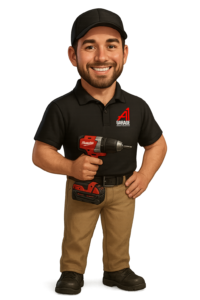 Cobe’s Perspective:
“I’ve seen doors that have fallen from their track after a chain failure ending up sideways on top of cars. That kind of repair can cost far more than preventative maintenance.
Why Homeowners Skip Garage Door Maintenance
According to Cobe, the main reason is simple. Nobody teaches homeowners how to maintain their garage door.
People learn to maintain their cars with oil changes, tire rotations, brake inspections, and more.
But what about maintaining garage doors? Unfortunately, they are often ignored for years until something goes wrong.
Cobe’s Perspective:
“We were taught how to maintain cars. We were never taught how to maintain our homes. That lack of knowledge often leads to a common pattern. Homeowners use the garage door every day until something breaks. Then they call for help.
In fact, I would estimate that less than 5% of doors I see are properly maintained.”
The Most Preventable Garage Door Repairs
One of the most common issues Cobe sees involves chain drive openers. If the chain begins dragging across the door, homeowners often ignore it.
But that small issue causes bigger damage.
Cobe’s Perspective:
“In this situation, the homeowner’s gear and sprocket are a minute away from snapping.
Once that happens, repairs may include:
- opener replacement
- hinge replacement
- roller replacement
- structural door repairs
What could have been a simple tune-up becomes a major, expensive repair.”
Garage Door Maintenance Homeowners Can Do
While some repairs require professionals, homeowners can perform basic inspections.
Cobe recommends a simple test.
Step 1: Disconnect the opener
Pull the emergency release when the door is closed.
Step 2: Lift the door manually
The door should move smoothly.
Step 3: Check balance
The door should stay in place when lifted halfway. If the door feels heavy or slams shut, call a technician. Spring tension may be weakening, a sign that the springs (the door system’s muscle fibers) are failing.
The Biggest Lubrication Mistakes
One of the most common DIY mistakes involves lubrication. Many homeowners use WD-40 or heavy grease to lubricate their doors.
Cobe’s Perspective:
“Be careful! WD-40 is designed to displace water, not lubricate moving door parts. It can attract dirt and sand.
Grease can be worse. In colder climates, thick grease can harden and slow the door. The door starts running like it’s on gravel.”
Instead, use a garage-door-specific lubricant on:
- rollers
- bearings
- hinges
- springs
Never lubricate the tracks.
What a Real Garage Door Tune-Up Includes
Not all service visits are created equally. Some companies simply spray lubricant and leave. A proper garage door inspection, however, is far more thorough.
According to the A1 process, a professional maintenance visit should include:
- door balance testing
- spring inspection
- roller and bearing checks
- opener force adjustments
- safety sensor testing
- full system lubrication
Technicians also look for structural issues like cracked panels or failing hinges. This kind of inspection helps catch problems early and prevent expensive repairs.
How Often Should Garage Door Maintenance Be Done?
Cobe’s recommendation is simple: At least once per year. Homes in extreme weather climates may need more maintenance performed more often.
For example:
- very hot climates
- heavy winter snow
- high daily door usage
In those cases, inspections before and after extreme seasons can help prevent damage. Regular maintenance can also extend the lifespan of the door system.
DIY vs Professional Garage Door Maintenance
Like all A1 Garage technicians, Cobe asserts that some maintenance tasks are safe for homeowners to perform. Others are not.
Safe for homeowners
- Visual inspections
- Listening for unusual noises
- Basic lubrication
- Balance testing
Leave to professionals
- spring repairs
- cable replacement
- track adjustments
- opener force settings
Cobe’s Perspective:
Garage door springs store massive tension. Improper repairs can cause serious injury.
Real Advice From a Field Technician
Cobe’s final message to homeowners is simple and to-the-point: Get educated about your system. Schedule a yearly inspection. Learn the warning signs of failure.
A technician can show you what to look for so you understand your own garage door. That small amount of knowledge can potentially save thousands in repairs.
FAQ: Garage Door Maintenance
How often should I service my garage door?
Most experts recommend once per year. Homes with heavy use may benefit from twice-yearly inspections.
What are signs my garage door needs maintenance?
Common warning signs include:
- grinding noises
- slow movement
- uneven lifting
- sagging chains
- door imbalance
Can I lubricate my garage door myself?
Yes. Use garage-door lubricant on rollers, hinges, springs, and bearings. Avoid WD-40 or heavy grease.
Is garage door maintenance expensive?
Most tune-ups cost far less than emergency repairs. Skipping maintenance can lead to costly part failures.
In One Minute: What Homeowners Should Remember
- Your garage door is the largest moving object in your home.
- Most failures come from years of ignored maintenance.
- When one part fails, others usually follow.
- Annual inspections catch problems early.
- Proper lubrication and balance testing prevent damage.
- Education and preventative care save money long term.
If your garage door has not been inspected in over a year, it may be time for a professional checkup.
Schedule a maintenance visit with an experienced technician and make sure your system is safe, balanced, and running smoothly.
Want to learn more about this topic from the A1 experts? Watch A1’s podcast, “The Garage Authority,” below: