



Blog | GARAGE DOORS
How to Budget for a New Garage Door Without Surprises
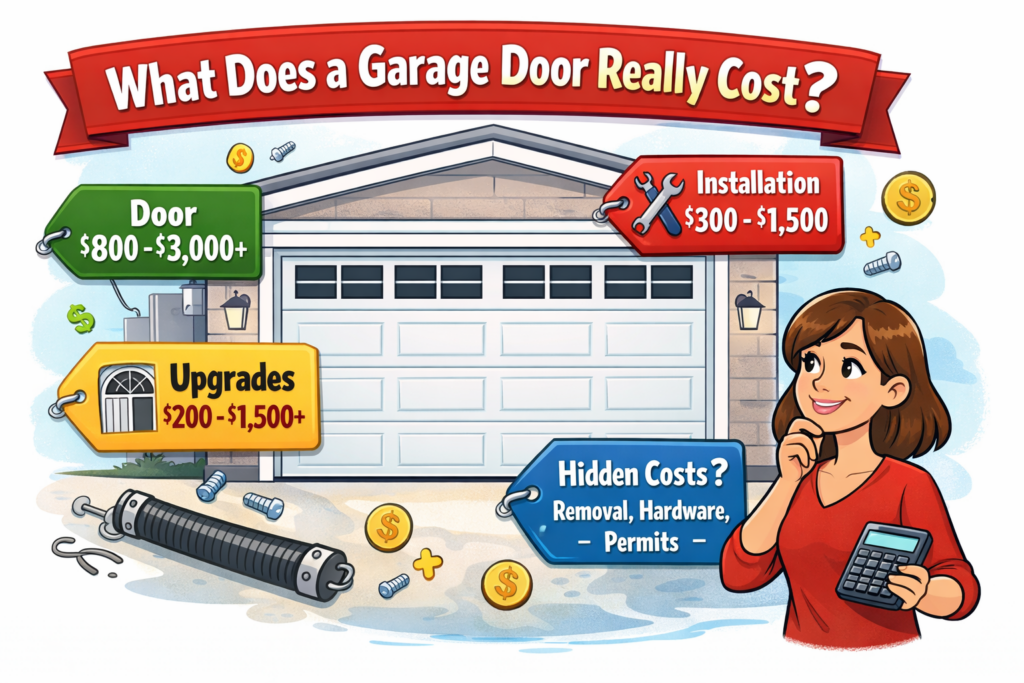
How to Budget for a New Garage Door Without Overspending
Planning for a new garage door is not just about knowing the price. It is about understanding what drives cost, what decisions affect your total investment, and how to avoid unexpected expenses.
Many homeowners begin this process by asking how much a garage door costs. A better question is how to plan for the project so the final cost aligns with your expectations.
Whether you are replacing an older door, upgrading for curb appeal, or addressing a structural issue, a clear budgeting approach helps prevent surprises and keeps the project on track.
Homeowners often start researching this topic when they ask questions like “How much should I budget for a new garage door?” or “What hidden costs should I expect when replacing a garage door?” This guide helps answer those questions before the project begins.
Quick Planning Summary for Homeowners
How to Budget for a Garage Door Project
Most garage door budgets are shaped by a few key decisions.
| Factor | What It Affects |
|---|---|
| Project type | Repair, replacement, or upgrade |
| Door material | Durability and appearance |
| Insulation level | Energy efficiency and cost |
| Door size | Material and labor requirements |
| Opener system | Convenience and performance |
| Labor and installation | Total project cost |
| Removal and disposal | Total project cost |
| Code or wind-load requirements | Materials and installation scope |
Understanding these factors early makes it easier to set a realistic budget range.
Start With the Type of Project
Before setting a budget, determine what kind of work is needed.
Common project types include:
- replacing an existing garage door
- upgrading to a newer style or material
- installing a door for a new build
- addressing damage or structural issues
A full replacement will require a different budget approach than a simple upgrade or repair. Defining the scope first prevents underestimating costs.
What Actually Drives Garage Door Costs
Instead of focusing only on price ranges, it is more useful to understand what causes costs to increase or decrease.
Door Material
Different materials affect both appearance and durability.
Common options include:
- steel
- wood
- aluminum
- composite
Insulation and Construction
Insulated doors tend to cost more but offer better energy efficiency and noise reduction.
Door Size and Configuration
Larger doors or custom sizes require more materials and labor.
Design and Customization
Windows, finishes, and custom styles can increase the overall investment.
Opener and Hardware
Upgrading the opener or hardware system can add to the total project cost. In some cases, a heavier or more advanced door may require a compatible opener system.
How Climate and Location Affect Your Budget
Where you live can influence not only the type of garage door you choose, but also how much you should plan to spend over time.
Homeowners who relocate to a different region are often surprised to find that materials and features that worked well in one climate may not perform the same way in another.
Temperature and Insulation Needs
In colder climates, insulated garage doors are often more important for maintaining indoor temperature and reducing energy loss.
In warmer regions, insulation may still matter, especially for garages attached to the home, but the priority may shift toward durability and ventilation.
Humidity and Material Durability
High humidity and coastal environments can affect how materials perform over time.
- wood doors may require more maintenance
- metal components may be more prone to corrosion
- hardware may wear faster in certain conditions
Choosing materials suited to the environment can reduce long-term maintenance and replacement costs.
Wind and Storm Requirements
In some areas, garage doors may need to meet wind-load or reinforcement standards.
These requirements can affect:
- door construction
- hardware
- installation complexity
Planning for these factors early helps avoid unexpected upgrades later.
Sun Exposure and Wear
In regions with strong sun exposure, finishes and materials may fade or degrade more quickly.
This can influence both appearance and long-term durability.
Setting a Realistic Budget Range
Once the project scope and cost drivers are clear, homeowners can begin setting a practical budget.
A helpful way to approach this is to think in tiers.
Basic budget
- standard materials
- minimal customization
- functional replacement
Mid-range budget
- improved materials
- insulation upgrades
- moderate design features
Higher-end budget
- premium materials
- custom design
- upgraded opener systems
This approach allows flexibility without locking into a single number too early.
Hidden Costs Homeowners Often Miss
One of the biggest budgeting mistakes is overlooking additional expenses that are not included in the initial estimate.
Common hidden costs include:
- removal and disposal of the old door
- opener upgrades or compatibility adjustments
- track or hardware replacement
- structural framing changes
- permit requirements in some areas
- code or safety upgrades
Planning for these possibilities helps avoid unexpected increases in cost.
Short-Term vs Long-Term Cost Decisions
Choosing the lowest upfront option is not always the most cost-effective decision over time.
Consider:
- durability of materials
- maintenance requirements
- energy efficiency
- long-term reliability
A higher initial investment may reduce future repair and replacement costs.
Common Budgeting Mistakes to Avoid
Homeowners often run into issues when they:
- focus only on the lowest price
- overlook installation and labor costs
- ignore compatibility with existing systems
- fail to account for wear on other components
- delay necessary upgrades that affect safety or performance
Avoiding these mistakes leads to a more accurate and stable budget.
How to Plan Your Budget Step by Step
A simple process can help keep the project organized.
- Define your goal – Decide whether the project is repair, replacement, or upgrade
- Identify key features – Choose material, insulation, and design preferences
- Review the full system – Consider the opener, tracks, and hardware condition
- Set a flexible range – Allow room for adjustments instead of using a fixed number
- Plan for unexpected costs – Include a buffer for hidden or additional expenses
When Budget Planning Reveals a Larger Issue
In some cases, budgeting reveals that the project may be more extensive than expected.
Examples include:
- structural damage to the garage opening
- worn or outdated opener systems
- hardware that no longer matches the new door
- code or safety requirements
Recognizing these early helps prevent delays and unexpected changes during installation.
Frequently Asked Questions
How much should I budget for a new garage door?
The total budget depends on the type of project, materials, and installation requirements.
What increases the cost of a garage door the most?
Material, size, customization, and labor are among the biggest factors.
Should I budget extra for unexpected costs?
Yes. Including a buffer helps prevent delays and budget overruns.
Does climate affect garage door costs?
Yes. Climate can influence material choice, insulation needs, and durability, which all impact long-term cost.
Frequently Asked Questions About Budgeting for a New Garage Door
How much should I budget for a new garage door?
Most homeowners should budget based on door size, material, and features, not just base pricing.
Are there hidden costs with garage door replacement?
Yes. Installation, removal, and hardware upgrades are common additional costs.
Is an insulated garage door worth it?
In many climates, yes. Insulation improves comfort and efficiency.
Can financing help with a new garage door?
Financing can make higher-quality doors more accessible without upfront strain.