



Blog | GARAGE DOORS
What are the Biggest Garage Door Mistakes Homeowners Make?
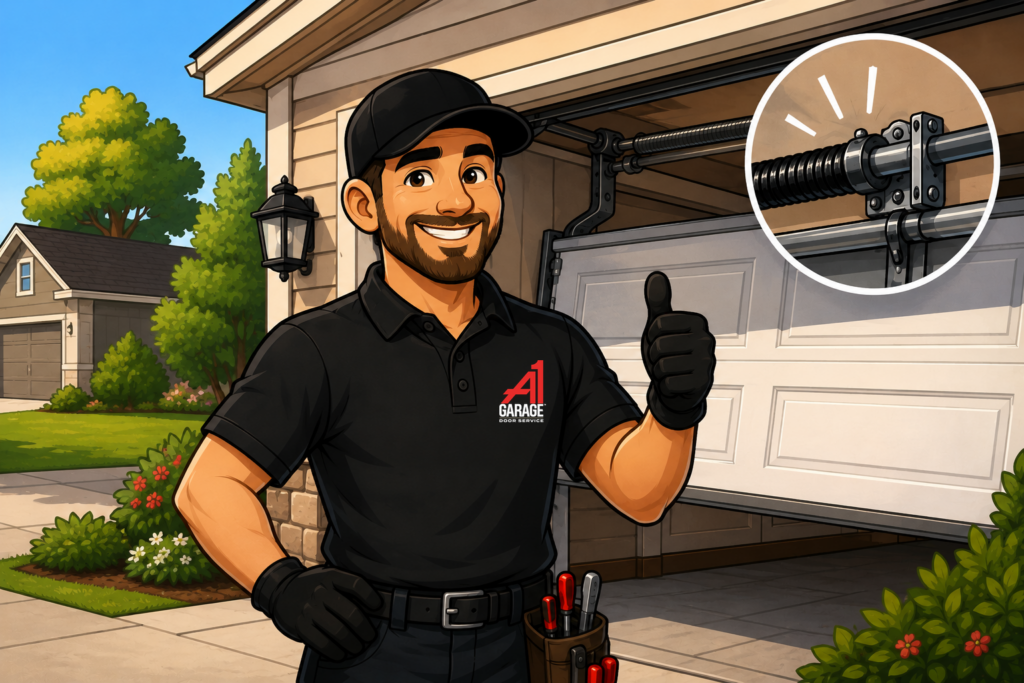
If you only have one minute, here’s what every homeowner should know about unintentionally causing damage to their garage door.
- Schedule professional garage door maintenance every 12 months.
- If your garage door starts making unusual noises, don’t ignore them.
- Stop pressing the opener button repeatedly if the door won’t move.
- Keep tools, trash cans, bikes, and other items away from the tracks.
- Make sure your emergency release cord can’t snag on a vehicle.
- Never pull the emergency release when the garage door is open.
- Remove decorative covers before operating your garage door.
- Spend one minute each month watching and listening to your garage door operate.
- Small problems are much less expensive than major repairs.
A garage door is the largest moving object in most homes. A little attention today can prevent a costly repair tomorrow.
Are You Accidentally Damaging Your Garage Door?
Have you ever heard your garage door make a strange noise and simply ignored it? Have you ever pressed the opener button over and over, hoping it would suddenly start working?
Unfortunately, too many homeowners must plead guilty when asked if they’ve ever committed unintentional harm to their garage door.
The good news is that very few people intentionally damage their garage door. The bad news is that many common daily habits slowly wear down the system until one day it stops working altogether.
At A1 Garage Door Service, we see these situations every day. The encouraging part is that nearly all of them can be prevented with a little education and a few simple habits.
Here’s what every homeowner should know.
The Biggest Mistake Homeowners Make: Skipping Garage Door Maintenance
If there’s one habit that shortens the life of a garage door more than any other, it’s skipping routine maintenance.
Unlike your HVAC system or your vehicle, a garage door often gets forgotten because it works every day without much thought. Yet it contains dozens of moving parts that experience constant wear.
Rollers wear down.
Springs lose tension.
Hinges loosen.
Bearings dry out.
Without regular inspections, these small issues become expensive repairs.
 A1 Pro Tip:
At A1 Garage Door Service, we recommend scheduling a professional garage door inspection and tune-up every 12 months. Regular maintenance helps identify worn components before they fail and keeps the entire system operating smoothly.
This is one of the easiest ways to extend the life of your garage door while reducing the chance of an unexpected breakdown.
A Real A1 Customer Story From the Field
Recently, an A1 Garage Door Service technician visited a homeowner who believed her garage door opener had completely failed.
The motor could still be heard running, but the door wouldn’t move. After a careful inspection, the problem turned out to be surprisingly simple.
The homeowner had recently purchased a taller SUV with a roof rack. Every time she parked inside the garage, the roof rack caught the emergency release cord hanging from the opener. Eventually, it disconnected the opener from the garage door without anyone realizing it.
Fortunately, the door wasn’t damaged.
The solution only required reconnecting the trolley and adjusting the emergency release rope so it stayed clear of the vehicle.
It’s a perfect example of how a small, everyday change can create an unexpected garage door problem.
Listen to Your Garage Door
One of the best maintenance tools doesn’t cost anything: Your ears.
Garage doors rarely fail without warning. Most begin communicating long before something breaks.
Watch for sounds like:
- Grinding
- Popping
- Clicking
- Squeaking
- Scraping
- Excessive vibration
If your garage door suddenly sounds different than it did last month, pay attention.
Many homeowners become accustomed to gradual changes until they hear the door again after a professional tune-up. That’s often when they realize just how noisy it had become.
A1 Pro Tip:
If something sounds unusual, schedule an inspection before the issue becomes more serious.
Stop Pressing the Button
One of the most expensive habits homeowners develop is repeatedly pressing the garage door opener when the door won’t move.
It seems harmless.
After all, maybe it just needs one more try.
Unfortunately, that’s rarely the case.
If the opener is trying to lift a damaged or obstructed door, every additional button press forces the motor to continue working against the problem.
That added strain can damage:
- The opener’s internal gears
- Travel limit components
- Drive systems
- Hinges
- Rollers
- Door sections
Before calling for service, it’s perfectly reasonable to check simple items like:
- Dead remote batteries
- Whether the opener has power
- A tripped breaker
If those basics aren’t the issue, stop operating the door and call a professional.
A1 Pro Tip:
Continuing to force the system often turns a minor repair into a much larger one.
Know How to Use the Emergency Release Safely
The red emergency release cord is one of the most important safety features on your garage door. It’s also one of the most misunderstood.
The emergency release allows you to disconnect the garage door from the opener during situations such as:
- Power outages
- Emergencies
- Opener failures
However, it should only be used when the garage door is fully closed whenever possible.
If a spring, cable, or roller has already failed, pulling the emergency release while the door is open can allow the full weight of the door to move unexpectedly.
That can create a dangerous situation and may result in serious property damage or personal injury.
Another important tip is making sure the cord hangs safely.
It should remain easy to reach, but it shouldn’t be low enough to catch on:
- Roof racks
- Lifted trucks
- Jeep accessories
- Cargo
Simply shortening or tying the rope slightly higher can help prevent accidental disengagement while still keeping it available during an emergency.
Keep the Tracks Clear
Your garage door needs room to move. Unfortunately, many garages often become convenient storage spaces for homeowners.
We often see homeowners leaning items against the wall beside the garage door tracks, including:
- Brooms
- Rakes
- Shovels
- Hockey sticks
- Ladders
At first, everything appears fine. Then one item falls.
As the garage door opens or closes, that object can become trapped inside the track, forcing the door out of alignment.
The result can include:
- Off-track doors
- Damaged cables
- Bent tracks
- Crooked garage doors
- Emergency repair calls
Trash cans can also create problems by striking the garage door’s safety sensors and knocking them out of alignment. A simple storage rack or wall-mounted organizer is often enough to eliminate these risks.
Keeping the area around the garage door clear helps the entire system operate safely and smoothly.
Think Twice Before Decorating Your Garage Door
Holiday garage door decorations have become increasingly popular.
Large decorative banners and fabric covers can look great from the street. The problem begins when homeowners forget they’re still attached.
As the garage door opens, loose fabric can become wrapped around cables, rollers, or drums. What starts as a festive decoration can quickly lead to an expensive repair.
If you’d like to decorate your garage door, choose options that won’t interfere with its movement.
Magnetic decorations or projector displays are often much safer alternatives because they don’t become entangled in moving parts.
One Minute Each Month Can Save You Hundreds
One of the simplest maintenance habits takes less than a minute.
Stand inside your garage.
Press the wall button once.
Watch the entire opening and closing cycle.
Listen carefully.
Look and listen for:
- Jerky movement
- Loud noises
- Uneven travel
- Slow operation
- Excessive vibration
If anything seems different than normal, don’t ignore it. Garage doors almost always give warning signs before major failures occur.
A1 Pro Tip:
Identifying those warning signs early is one of the easiest ways to extend the life of your garage door and avoid costly emergency repairs.
Garage Door Maintenance FAQ
How often should a garage door be serviced?
A1 Garage Door Service recommends professional maintenance every 12 months to inspect moving parts, lubricate components, and identify wear before it becomes a larger problem.
Why is my garage door getting louder?
Grinding, squeaking, popping, or rattling often indicates worn or dry components. These sounds should be inspected before they lead to more expensive repairs.
Should I keep pressing the opener if the door won’t move?
No. Repeatedly operating a malfunctioning door can increase damage to both the opener and the garage door system.
Is it safe to pull the emergency release?
Yes—but only when the garage door is fully closed whenever possible. Pulling the release while the door is open can be dangerous if other components have already failed.
Can clutter damage my garage door?
Yes. Items leaning against tracks or stored too close to the door can interfere with operation and cause significant damage.
In One Minute
The best garage door maintenance isn’t complicated.
Remember these habits:
- Schedule yearly professional maintenance.
- Listen for unusual sounds.
- Never force a malfunctioning door.
- Keep tracks and sensors clear.
- Use the emergency release correctly.
- Remove decorations before operating the door.
- Watch your garage door operate once each month.
These simple steps can add years to your garage door’s life while helping you avoid expensive repairs.
Final Thoughts from A1
At A1 Garage Door Service, we’ve found that the most expensive garage door repairs often begin with small issues that homeowners didn’t realize mattered. A strange noise, a cluttered track, or repeatedly pressing the opener button may seem minor today, but each can lead to larger problems over time.
The good news is that prevention is simple. Annual maintenance, regular observation, and a few smart habits can keep your garage door operating safely and reliably for years.
If your garage door is making unusual noises, moving differently than it used to, or simply hasn’t been professionally serviced in over a year, now is the right time to schedule an inspection. Our team is here to help you catch small issues before they become costly repairs.
Want to learn more about this topic from the A1 experts? Watch A1’s podcast, “The Garage Authority,” below: