



Blog | GARAGE DOORS
Garage Door Springs 101: How they Work and Why they Matter | A1 Garage Door Service
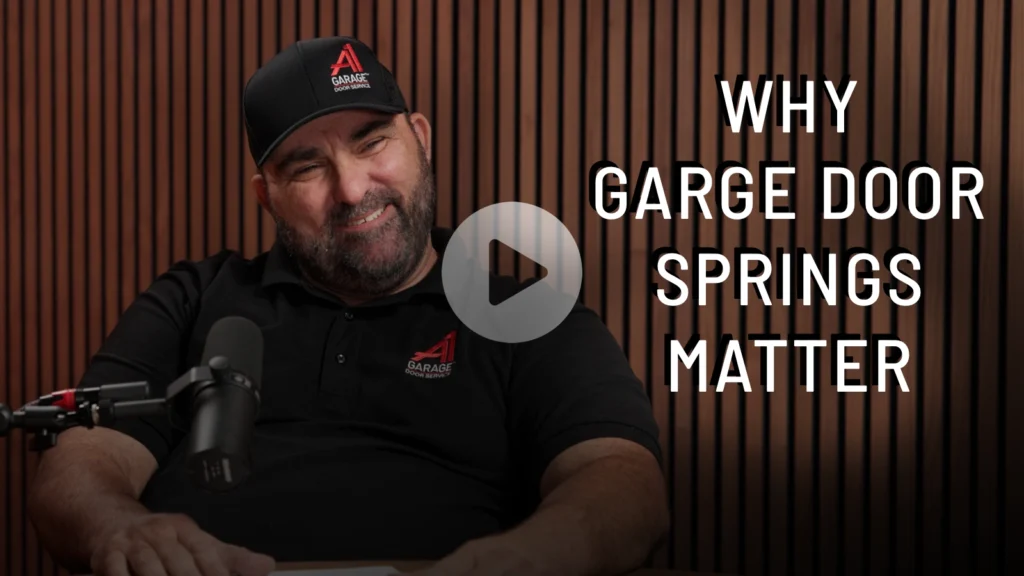
A Garage Door’s Lifespan
Springs are the muscle fibers your garage door relies on to perform heavy lifting. When they fail, it can be dangerous. Very dangerous.
How can homeowners avoid spring failure? And how do you know when it’s time to replace them, so your garage door stays working and safe?
At A1 Garage Service, we’ve seen everything from minor spring failures to major DIY disasters. In this article, we’re going to dissect how garage door springs work, so you can learn everything you need to know to make sure they stay in working order and lift your door for years to come.
The Real Workhorses of Your Garage Door
What lifts your garage door? If you answered the opener, you’re not alone. Many people think the opener muscles the door up and down when they push the button to open or close their garage door.
The truth is; the springs do heavy lifting. Springs carry hundreds of pounds of tension, allowing your garage door to open and close smoothly, even without an electric opener.
With properly balanced and working springs, a 200-pound door can be lifted with one hand. Without working springs, however, the door becomes a 200-pound wall waiting to drop—in other words, a safety hazard!
Torsion vs. Extension: What’s the Difference?
There are two main types of springs you’ll find in residential garages today: torsion and extension. Let’s examine the differences between the two.
Torsion springs sit above the door on a metal shaft. They twist to store energy as the door closes and unwind as it opens, keeping motion smooth and controlled.
Extension springs stretch along the sides of the door tracks. When the door closes, they extend; when it opens, they contract.
A1 Pro Insight: Torsion systems are the safer of the two types of springs. We have seen broken extension springs shoot through brick walls because they have so much energy stored. Whenever possible, A1 technicians recommend torsion systems for safety, balance, and durability.
Why Springs Fail
Most garage door springs are rated for 10,000 cycles (one cycle = 1 close + 1 open), which equates to about 7–10 years of daily use.
The most common causes of spring failure include:
- Normal wear and tear
- Improper balancing or mismatched parts
- Harsh climates or humidity
- Chemical exposure (like pool chlorine stored in garages)
A1 Pro Insight: Fumes from pool chemicals can eat away at metal springs and cables faster than anything else typically stored in a garage. The corrosion doesn’t just shorten springs’ lifespan—it can cause them or cables to snap unexpectedly, which is very dangerous. Keep pool chemicals out of your garage if you can.
Warning Signs Your Springs Need Attention
How do you know if your springs are near the end of their life? At A1, our advice is simple: pay attention to changes. If you hear new noises from your opener or the door feels heavier when you lift it, that’s your sign that your springs are nearing the end of their lifespan.
Here are the top red flags that your springs need professional attention:
- The door feels heavy or uneven when lifting manually.
- You hear popping or squealing sounds.
- The opener strains or shakes during operation.
- You notice gaps in the coil of a torsion spring.
- The door slams shut instead of gliding down to a gentle close.
If you experience any of these symptoms, call A1 Garage Door Service or another reputable garage door company. Do not under any circumstances attempt to repair or replace garage door springs yourself! As we’ve explained, your springs are under tremendous tension and are very dangerous.
A1 Pro Tip: Don’t let aging springs hurt you or your bank account. Continuing to run a door with broken or fatigued springs can burn out your opener (which adds hundreds of dollars to an otherwise modestly-priced repair) or worse—lead to injury.
Horror Stories of DIY Spring Repair from Real Customer
At A1 Garage, we’ve unfortunately seen far too many aftermaths of DIY spring-replacements gone horribly wrong.
A1 technician Scott Cola, a 31-year veteran of the garage door repair industry, has first-hand knowledge of how well-intentioned homeowners end up in bad and dangerous situations.
“Some garages look like crime scenes,” Scott explains, “blood on the floor, cars damaged, people in the hospital. It’s not pretty. The danger is real.”
Scott adds, “A standard torsion spring can lift hundreds of pounds of weight. If released unexpectedly, all that energy is unleashed in milliseconds. I’ve had accidents that landed me in the hospital, and I’m a certified pro who’s been repairing garage doors for a long time.”
A1 Pro Tip: If you only remember one thing from this article, let it be this: never attempt spring replacement unless you are a professional with expert training and the proper tools.
How Homeowners Can Check Their Springs Safely
Here is an A1-approved test homeowners can perform safely:
- Close the garage door completely.
- Pull the red emergency release cord. (Only when the door is down—never when open.)
- Lift the door manually.
If the door feels unusually heavy or uneven, your springs may be worn or broken.
A1 Pro Tip: If you involuntarily make a funny sound from exerting as you try to lift the door, it’s too heavy and your springs are worn out. And if you see any visible gaps in a spring coil, stop immediately. That means it’s already broken.
The Role of Regular Maintenance
Like any mechanical system, garage door springs need periodic inspection and regular maintenance to stay working and safe.
We’ve said this before, the garage door is the largest moving wall in your home. You and your family pass under it many times a week if not each day. Yet, most people never think about it until it fails.
A professional tune-up once a year can prevent costly repairs and extend the life of your door system.
During a checkup, A1 technicians:
-
Test spring balance
-
Inspect bearings, cables, and rollers
-
Lubricate moving parts
-
Check opener strain and safety settings
A1 Pro Tip: A thorough tune-up from a certified garage door service company can add years to your system and prevent the expensive emergencies homeowners fear.
FAQ: Homeowner Questions About Springs
How long do garage door springs last?
Most last 7–10 years or about 10,000 open-close cycles. High-cycle springs can last 20,000+ cycles.
Can I replace just one spring?
It’s always best to replace both. If one fails, the other is likely close behind.
How much does spring replacement cost?
Typically, $200–$400 per door, depending on size and spring type.
Can I lubricate springs myself?
You can spray light silicone on the coils—but avoid touching them. Leave major adjustments to a pro.
In One Minute: What to Remember
Repairs make sense when:
-
Springs—not the opener—do the heavy lifting
- Torsion systems are safer than extension springs
-
Avoid storing pool chemicals near garage parts
-
Never attempt DIY spring replacement
-
Schedule annual maintenance to stay safe
Don’t Wait for a Breakdown
If your door feels heavy, noisy, or unbalanced, your springs might be warning you. Schedule a professional inspection with A1 Garage Door Service today and keep your system safe, smooth, and strong.
Book your service now or call your local A1 team.